
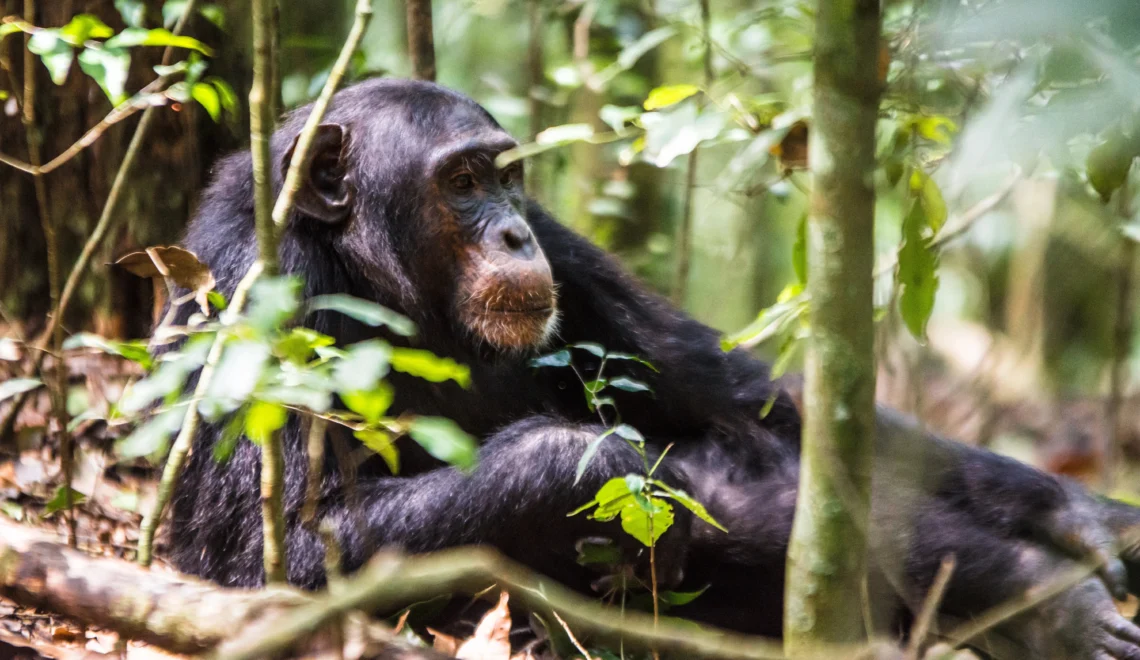
A landmark chimpanzee census in Bwindi Impenetrable National Park has delivered encouraging news for conservation in Uganda. In February 2026, the Uganda Wildlife Authority, working alongside the Jane Goodall Institute Uganda and other partners, released findings from the park’s first dedicated chimpanzee census conducted in 2025.
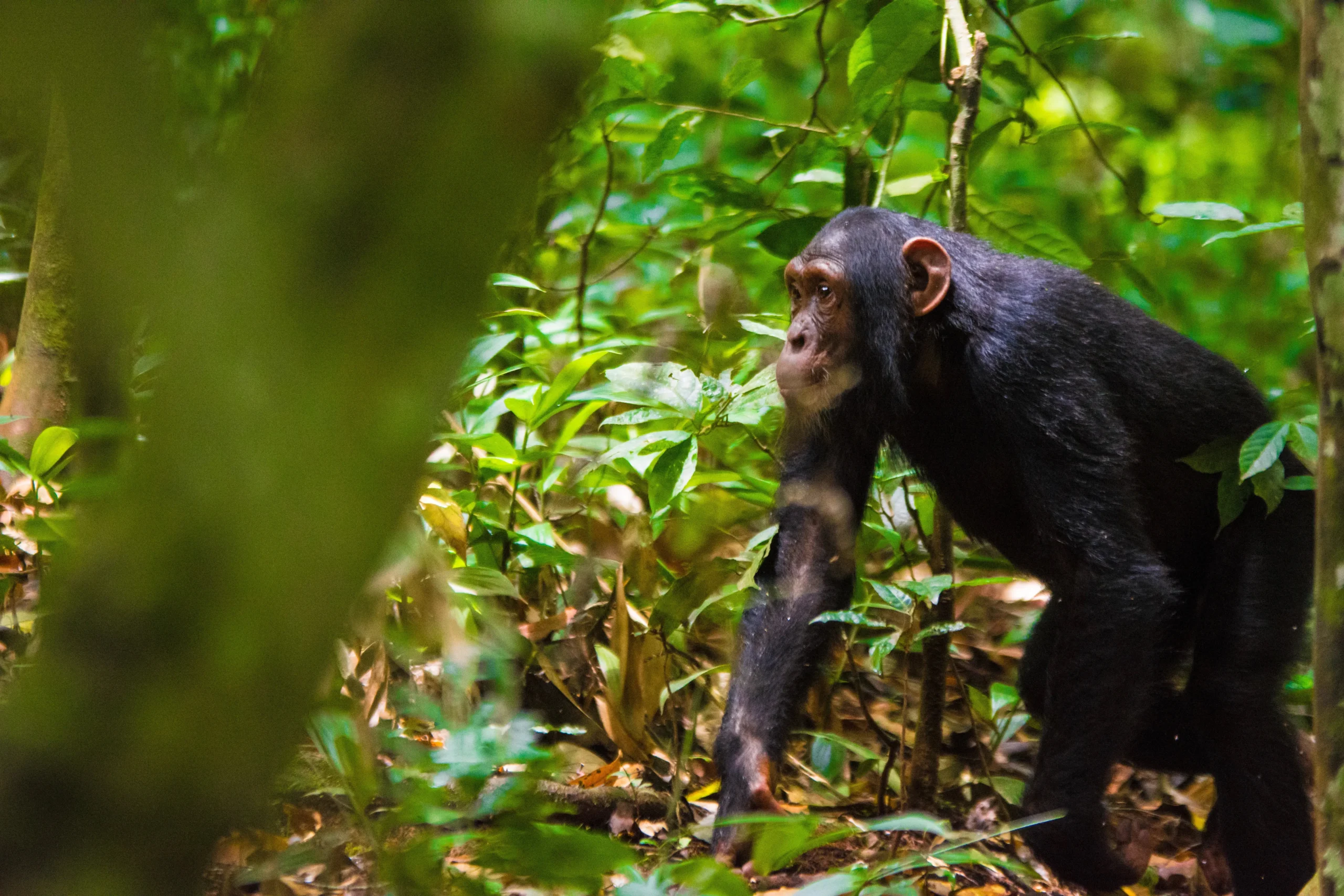
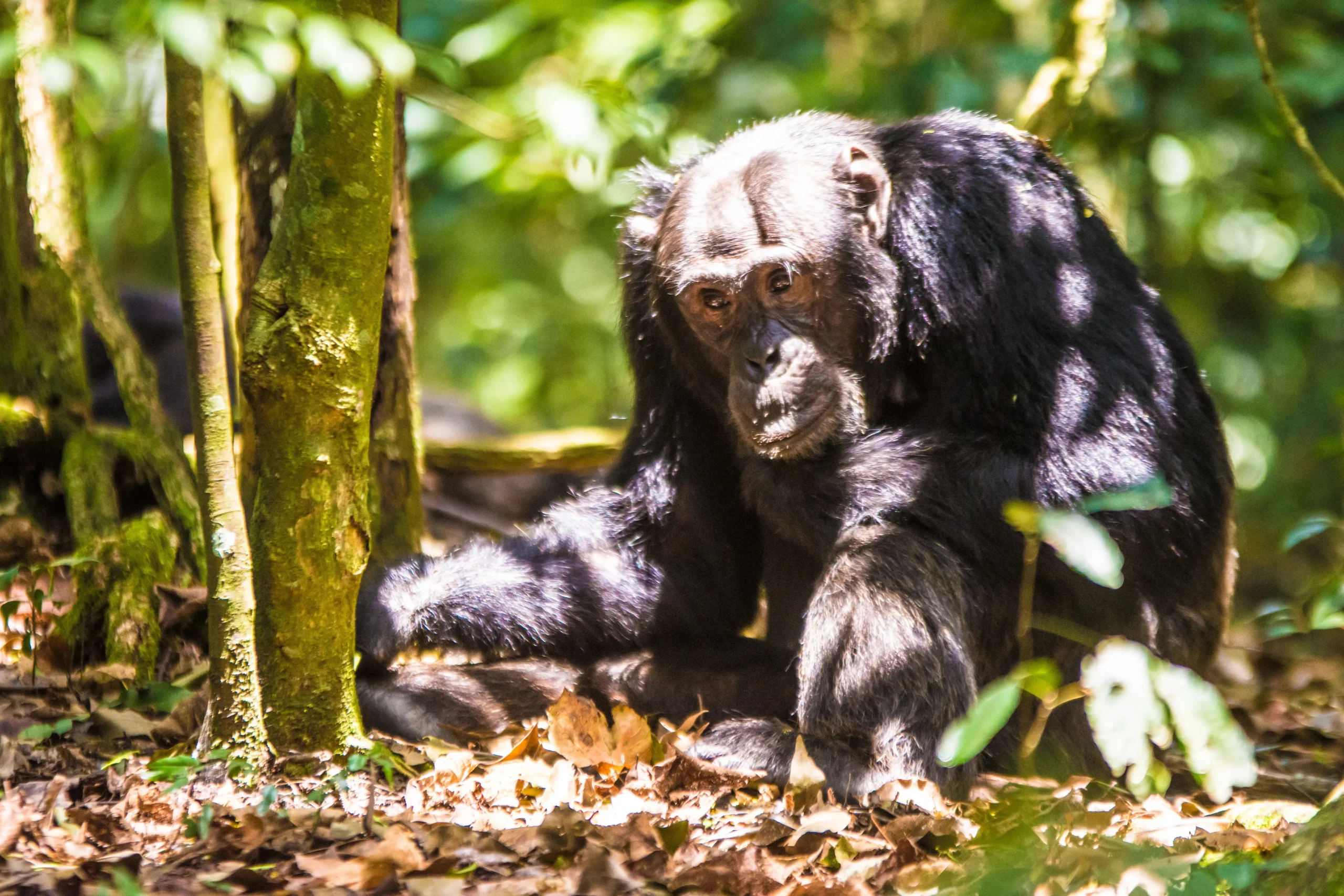
The results estimate 426 chimpanzees living within the forest, a strong and significant population that highlights Bwindi’s remarkable biodiversity.
Why This Census Is So Important
Bwindi, a UNESCO World Heritage Site in southwestern Uganda, is globally celebrated for its endangered mountain gorillas, estimated at roughly 400 to 500 individuals in recent counts. What is less widely known is that the same forest also shelters chimpanzees. This makes Bwindi the only known forest where endangered chimpanzees and mountain gorillas coexist within the same habitat.
Until now, information about Bwindi’s chimpanzees was limited. Data relied largely on incidental sightings, ranger observations, and indirect evidence. There had never been a comprehensive, park wide scientific count. The 2025 census changes that, providing the first reliable baseline on population size, density, and distribution.
How the Census Was Conducted
Fieldwork took place between May and September 2025. Researchers used standardized line transect surveys and nest count techniques, including standing crop and marked nest methods. Because chimpanzees build new nests each night, counting these nests offers a dependable way to estimate population size.
Survey teams covered 320.9 square kilometers across the park’s four main sectors: Buhoma, Ruhija, Nkuringo, and Rushaga.
Key findings include:
- An estimated population of 426 chimpanzees
- A relatively low margin of error of about 5 percent
- An average density of approximately 1.33 chimpanzees per square kilometer
- A wide distribution across both lower Afromontane and higher elevation forest zones
The highest concentrations were recorded in the northern areas around Buhoma and parts of Rushaga, likely due to favorable food availability, water sources, and nesting sites. Encouragingly, signs of human disturbance were minimal in many surveyed areas.
A Major Win for Conservation
This census is more than a number. It provides essential data for long term conservation planning. According to conservation leaders involved in the study, the findings help close critical knowledge gaps and strengthen implementation of Uganda’s National Chimpanzee Conservation Strategy for 2023 to 2033.
Accurate population data enables authorities to:
- Monitor threats such as poaching, habitat encroachment, and disease
- Improve protected area management
- Align chimpanzee conservation with existing gorilla protection programs
- Develop tourism initiatives responsibly
Having a scientific baseline also means future surveys can measure population trends over time, which is vital in the face of climate change and increasing habitat pressure.
Tourism Potential and Global Significance
Bwindi has long been synonymous with gorilla trekking. The confirmation of a healthy chimpanzee population adds another layer to its appeal. In the future, chimpanzee tracking or habituation experiences could expand, offering visitors the rare opportunity to observe two great ape species within a single forest ecosystem.
With both mountain gorillas and chimpanzees thriving under careful protection, Bwindi reinforces its position as one of the world’s most important strongholds for great ape conservation.
For travelers seeking an unforgettable primate experience, the forest has become even more compelling. Few places on Earth can claim such extraordinary biodiversity within one protected landscape, and now the science clearly supports what conservationists have long believed.